Education qualityLearning with AI
More grip on exam quality, less workload. Looking back on Den Bosch
More grip on exam quality and less workload at the same time. Is that possible? Absolutely. And AI can lend a hand.
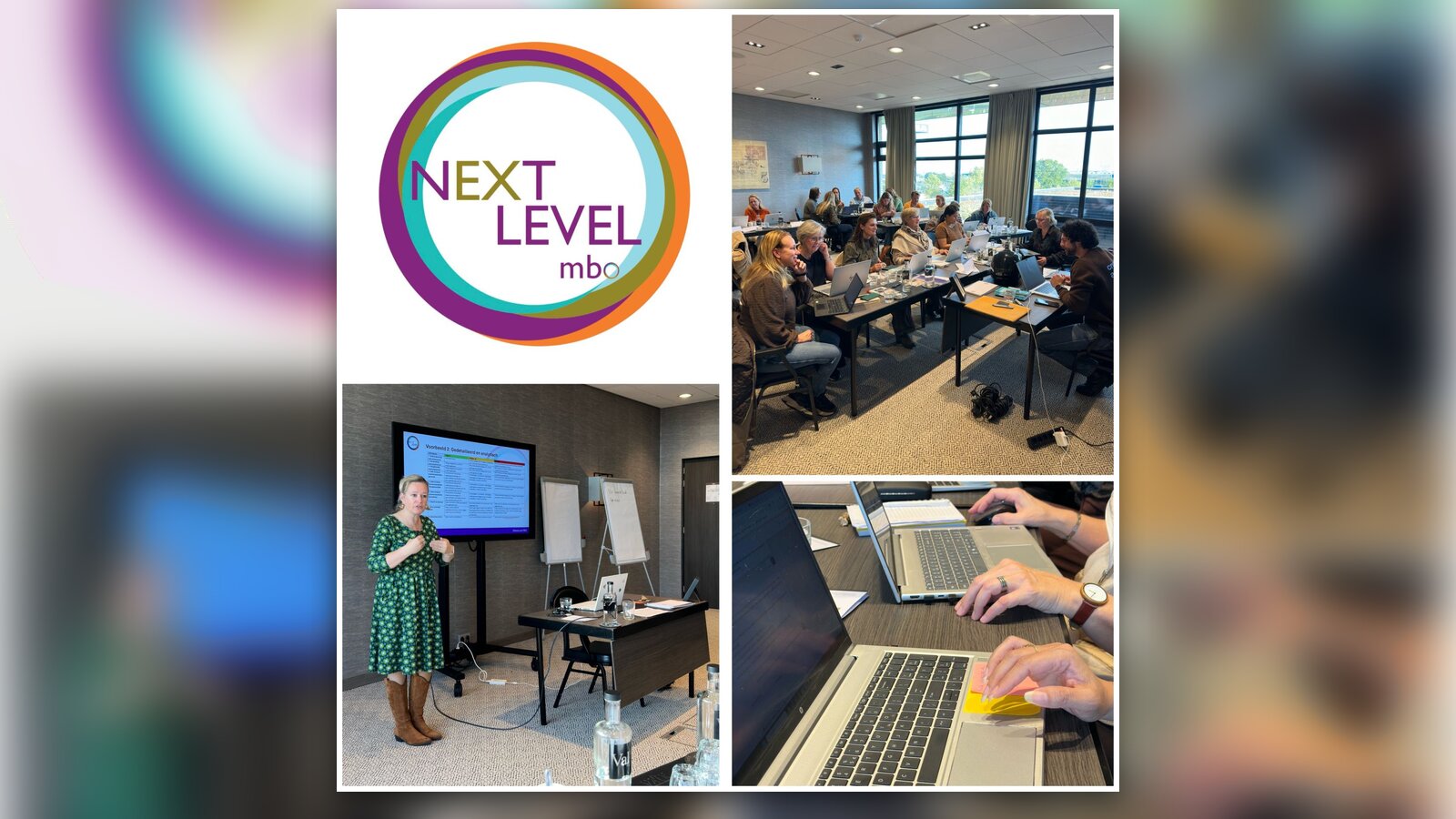
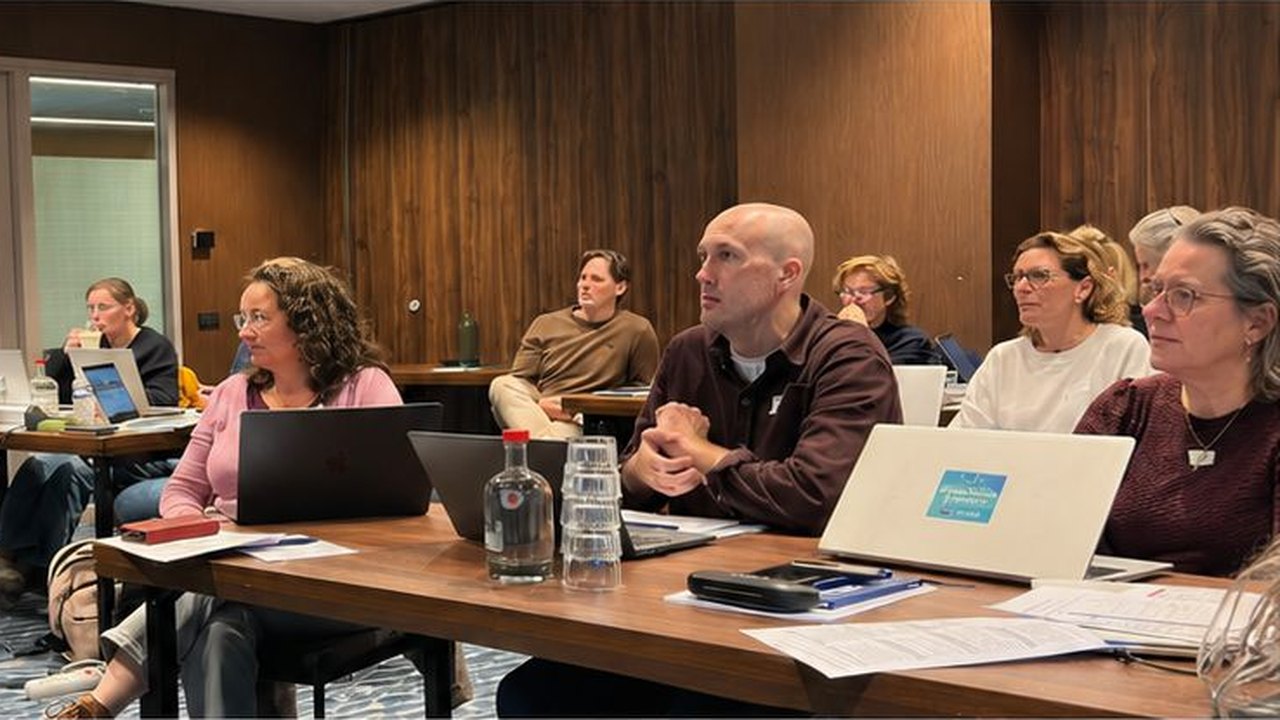
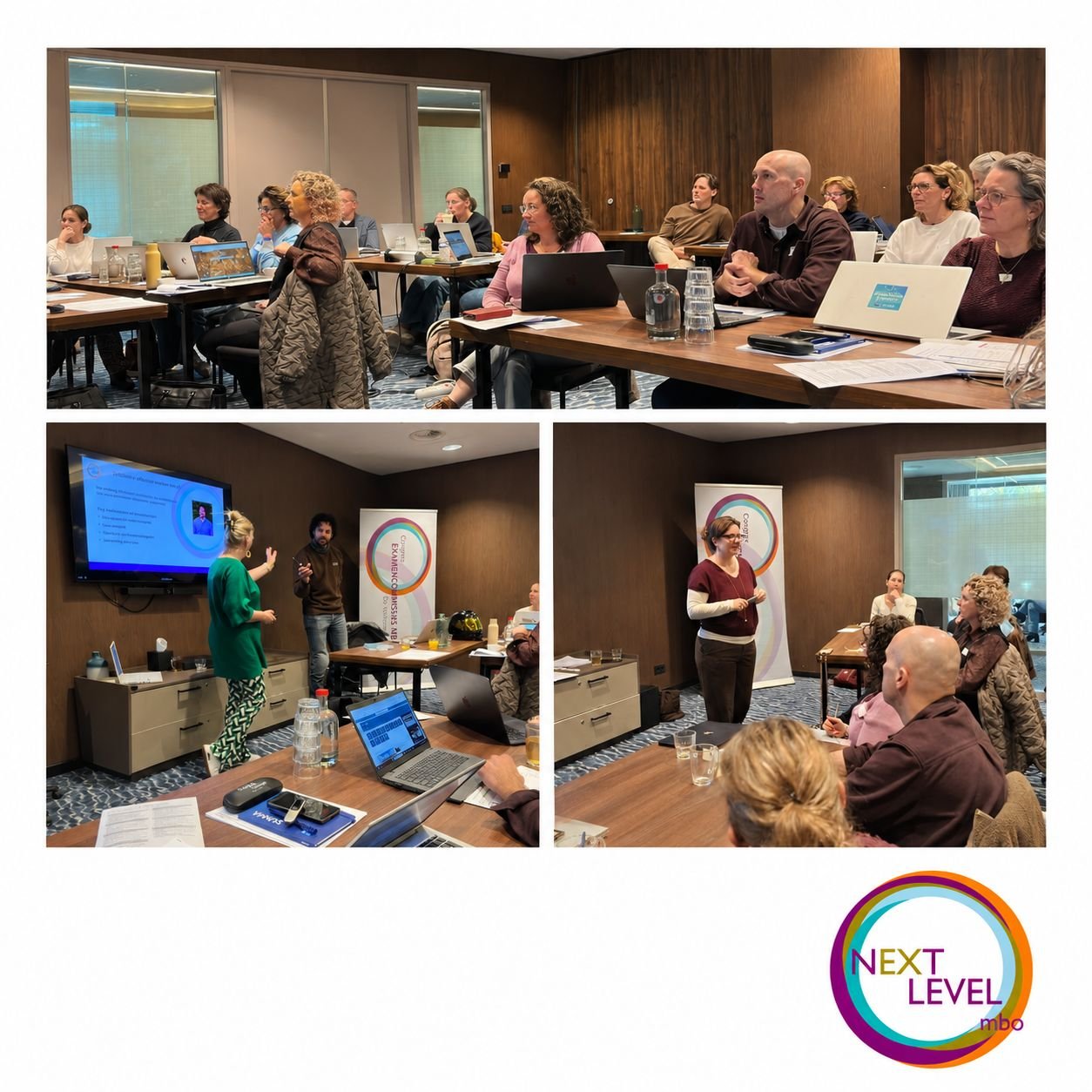
On Thursday 5 November we were in Den Bosch with NextLevel MBO for the training Working more efficiently and effectively in the examination board, with and without AI. After an equally fully booked edition in Zwolle, it was once again a day full of exchange, critical questions and recognisable dilemmas.
Smarter assurance instead of doing more
How do you, as an examination board, make sure you really have insight into and grip on the quality of assessment, without getting bogged down in ever more checks, documents and paperwork? That was the common thread of the day.
In the morning Ilse Hofman and Joke Lammers worked with the participants on risk-based oversight, effective data collection and well-founded choices about how the board defines and divides its tasks. Where can you standardise, simplify or perhaps even stop doing things that add little?
From thinking to experiencing it yourself
In the afternoon I took over the baton. Not just talking about what AI can do, but getting hands-on. The participants worked with AI Companions set up specifically for the examination board, for example for analysing exam results, preparing monitoring conversations and following up improvement measures.
We practised with the fictitious dataset of ROC Voorbeeldstad, so that everyone could experiment safely without real student data. It was lovely to see how quickly the first aha moments came, and how critically the group looked at what AI gave back.
The board keeps the judgement
AI can do a lot of the groundwork, such as analysing, summarising and producing a first draft. The judgement and the responsibility remain with the examination board. With the HEAR model you start from your own intention, you look critically at what AI offers and you make the decision. Certainly in an age of AI, that is the heart of working professionally.
Confirming what already works
What touched me most were the reactions afterwards. Participants did not just go home with new insights and concrete ideas for their own board. They also saw confirmed what they are already doing well.
Professional development also means recognising and strengthening what works. I find that a lovely thought to close with.
Thanks to all participants for your active contributions, openness and enthusiasm. And thanks to Ilse and Joke for two wonderful training days together. We will continue at the Congress for Examination Boards in mbo on 11 March 2027. I am looking forward to it!
A training like this for your team?
Education Oracle provides practical AI training for schools, programmes and examination boards. Small-scale, interactive and focused on doing. Feel free to get in touch.